ComRes Telecommunications & Cabling

IP Camera Systems

Designed for the Way Businesses Operate

Business surveillance has become part of the connected technology environment. IP camera systems use network technology to provide organizations with flexible surveillance capabilities, high-quality video, and options for remote accessibility that can make monitoring easier across offices, facilities, and multiple business locations.

Our objective is to build a solution around your business, rather than forcing your business to adapt to a predefined technology package.

ComRes designs and implements IP camera systems around the individual requirements of businesses in Fort Lauderdale, Miami, West Palm Beach, and throughout South Florida. Because our expertise extends across telecommunications, networking, cabling, and business technology, we understand that an IP surveillance solution involves much more than selecting cameras.

The network, infrastructure, storage, camera locations, security requirements, and future growth of the organization all need to be considered.

What Is an IP Camera System?

An IP camera, or Internet Protocol camera, is a digital surveillance camera that sends video data using an IP network. Unlike traditional analog surveillance systems, IP cameras operate as network-connected devices. This architecture provides businesses greater flexibility in deploying, accessing, recording, and managing cameras. Your exact IP Camera System configuration depends on your specific business, property, and surveillance objectives.

An IP camera system can include several components, such as:

  • Network-connected security cameras
  • Structured cabling
  • Network switches and related infrastructure
  • Video management technology
  • Network video recording and storage
  • Remote viewing capabilities
  • User access and management tools
  • Integration with compatible security technologies
IP Camera Systems Designed for the Way Businesses Operate

Why Businesses Choose IP Camera Systems:

IP surveillance technology can provide significant advantages for organizations that need a flexible, scalable approach to security.

High-Quality
Digital Video

Modern IP cameras can provide detailed digital video that helps businesses obtain clearer visibility into monitored areas. The appropriate resolution should be determined by the purpose of each camera. Monitoring a large general area may have different requirements than observing a specific entrance, point of sale or critical asset.

Remote Camera
Accessibility

An advantage of IP-based surveillance is that authorized users can access cameras and surveillance information remotely when the selected system supports it. This is particularly useful for executives, managers, and business owners responsible for multiple properties or those who need greater visibility while away from a location.

Flexible System
Expansion

Business requirements change. A company may add office space, open another location, expand a warehouse, or identify new areas that require surveillance within their business. Properly designed IP camera systems can provide a foundation that makes future system expansion worry-free & easy to accomplish.

Centralized Surveillance Management

For organizations with multiple cameras or properties, compatible IP surveillance technology can help simplify access to and management of video resources. This can provide a more practical security environment for growing organizations and businesses operating across multiple locations.

Comres Technology Expert South Florida

Your Network Is Part of

Your Surveillance System

IP cameras are network devices. That makes network planning an important part of system design. Camera resolution, frame rates, the number of cameras, recording requirements, and remote accessibility can all affect the technology infrastructure supporting the surveillance environment.

ComRes brings decades of telecommunications and business technology experience to your IP camera system project. We consider how surveillance technology will interact with network infrastructure rather than treating the cameras as isolated devices.

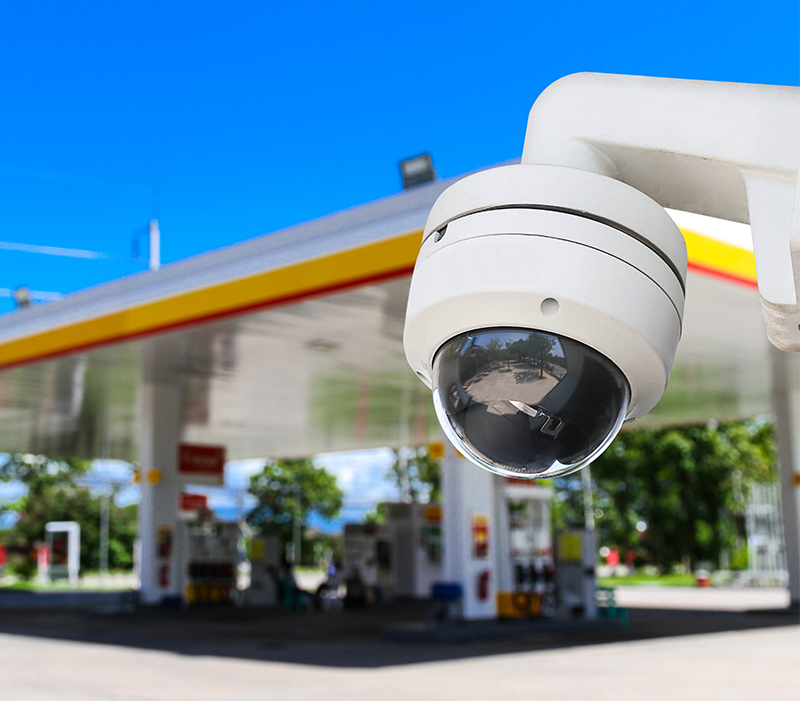
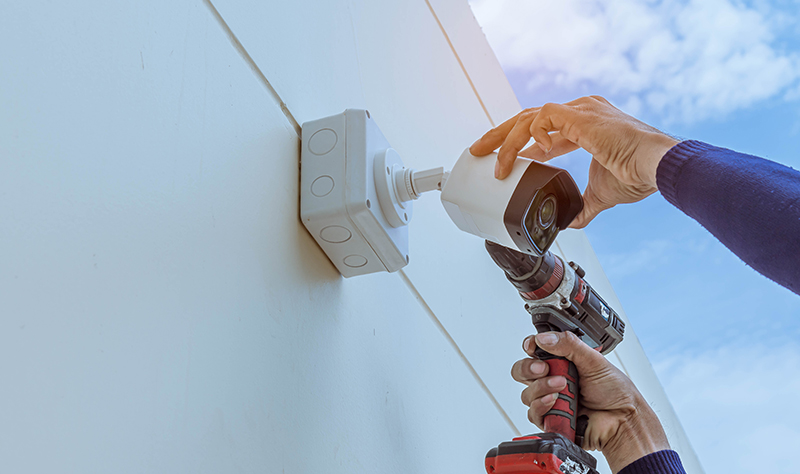
IP Camera System - Security Camera Installation
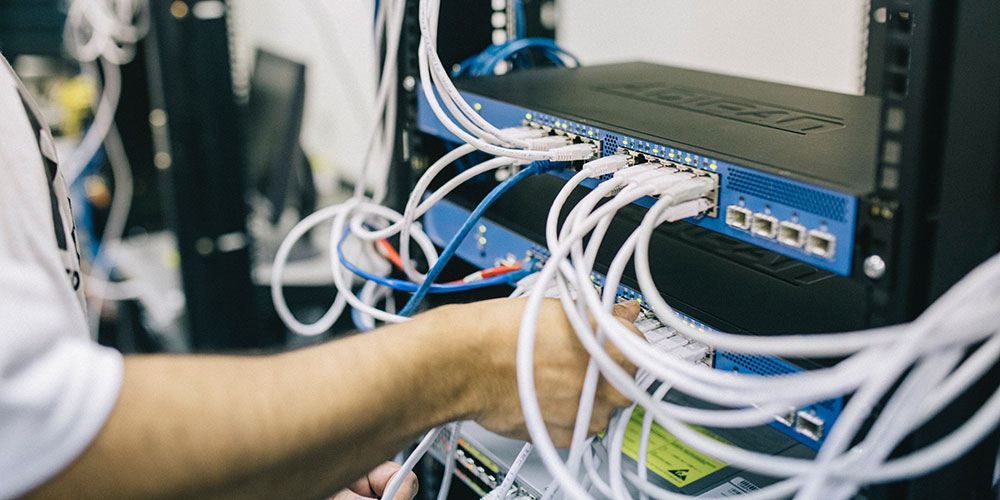
Voice & Data Cabling System - ComRes

Camera system structures require

IP Camera Systems Cabling

Reliable connectivity begins with appropriate infrastructure. When designing an IP surveillance system, you must consider the physical location of cameras, cable pathways, network equipment, and power requirements. Structured cabling experience is particularly valuable when installing cameras throughout large commercial properties, warehouses, offices, or multi-floor environments.

The exact design depends on the equipment and environment, but the larger point is straightforward: the network connection is part of the camera system. 

ComRes understands the infrastructure behind connected business technology and can account for it during surveillance planning.

IP Camera Systems Frequently Asked Questions

IP Camera Systems use network-connected digital cameras to capture and transmit video over an IP network. Businesses can use these systems to monitor important areas, record footage, manage multiple cameras, and provide authorized users with remote access. A properly designed system takes camera placement, network capacity, storage, and future expansion into consideration.

IP cameras transmit digital video over a network, while traditional analog cameras typically send video through dedicated analog cabling to a recording device. IP Camera Systems can provide higher-resolution options, centralized camera management, remote viewing capabilities, and greater flexibility when a business needs to expand or upgrade its surveillance system.

The number of cameras depends on the size and layout of your property, entrances and exits, areas requiring surveillance, lighting conditions, viewing angles, and the level of image detail required. Assessing these factors before installing IP Camera Systems helps identify potential coverage gaps while avoiding unnecessary or redundant cameras.

Storage requirements depend on the number of cameras, video resolution, frame rate, compression settings, recording method, and how long footage needs to be retained. Because every business has different surveillance requirements, storage for IP Camera Systems should be calculated around the organization’s actual recording and retention needs.

Yes. When remote access is supported and properly configured, authorized users can view compatible IP cameras while away from the business. Remote viewing can be especially useful for owners, managers, and organizations responsible for multiple facilities that need convenient access to surveillance footage from different locations.

Yes. Compatible IP Camera Systems and video management platforms can provide centralized access to cameras across multiple locations. A properly planned multi-location system can help businesses maintain consistent camera management, recording practices, user permissions, and surveillance capabilities as the organization grows.

Many IP cameras support Power over Ethernet, or PoE, which allows compatible Ethernet cabling to transmit network data and electrical power to a camera. This can simplify installation by reducing the need for separate power connections at each camera location. Compatibility, cable distances, network switches, and overall system requirements should be evaluated before installation.

IP cameras use network bandwidth, but a properly designed network can account for surveillance traffic without unnecessarily affecting normal business operations. Factors such as camera resolution, frame rate, compression, number of cameras, recording requirements, and simultaneous viewing should be considered when determining whether existing network infrastructure can support the system.

In many cases, portions of an existing surveillance system or infrastructure may be reusable when upgrading to IP cameras. This depends on the existing cabling, network infrastructure, recording equipment, camera compatibility, and desired capabilities. Evaluating the current system first can help determine what can remain in service and what should be upgraded or replaced.

Depending on the equipment and software selected, IP Camera Systems can be planned alongside compatible access control solutions. The technologies serve different purposes: video surveillance provides visual monitoring and recorded footage, while access control manages who can enter designated areas. Using compatible technologies can support a more coordinated approach to facility security.

Before installation, businesses should consider the areas requiring surveillance, camera positioning, image-detail requirements, lighting, recording and retention needs, remote access, network capacity, structured cabling, user permissions, cybersecurity, and future expansion. Evaluating these requirements before selecting equipment can help create an IP camera system that better supports both current and future needs.

Yes. We provide commercial IP Camera Systems for businesses throughout South Florida, including Fort Lauderdale, Miami, West Palm Beach, and surrounding areas. We can help businesses evaluate their surveillance requirements, network and cabling infrastructure, camera placement, recording needs, and opportunities for future expansion when planning a new system or upgrading an existing installation.

Managing Video, Storage and System Access

An IP camera system has to do more than produce a clear live image. Businesses also need to consider how surveillance video will be recorded, how long it should remain available, how authorized personnel will retrieve it and whether access will be required from outside the location. These decisions have a direct effect on system design. Storage requirements, for example, can vary considerably depending on the number of cameras, video resolution, recording configuration, and the length of time a business wants to retain footage. Establishing those expectations before installation helps ensure that recording capacity is appropriate for the way the system will actually be used.

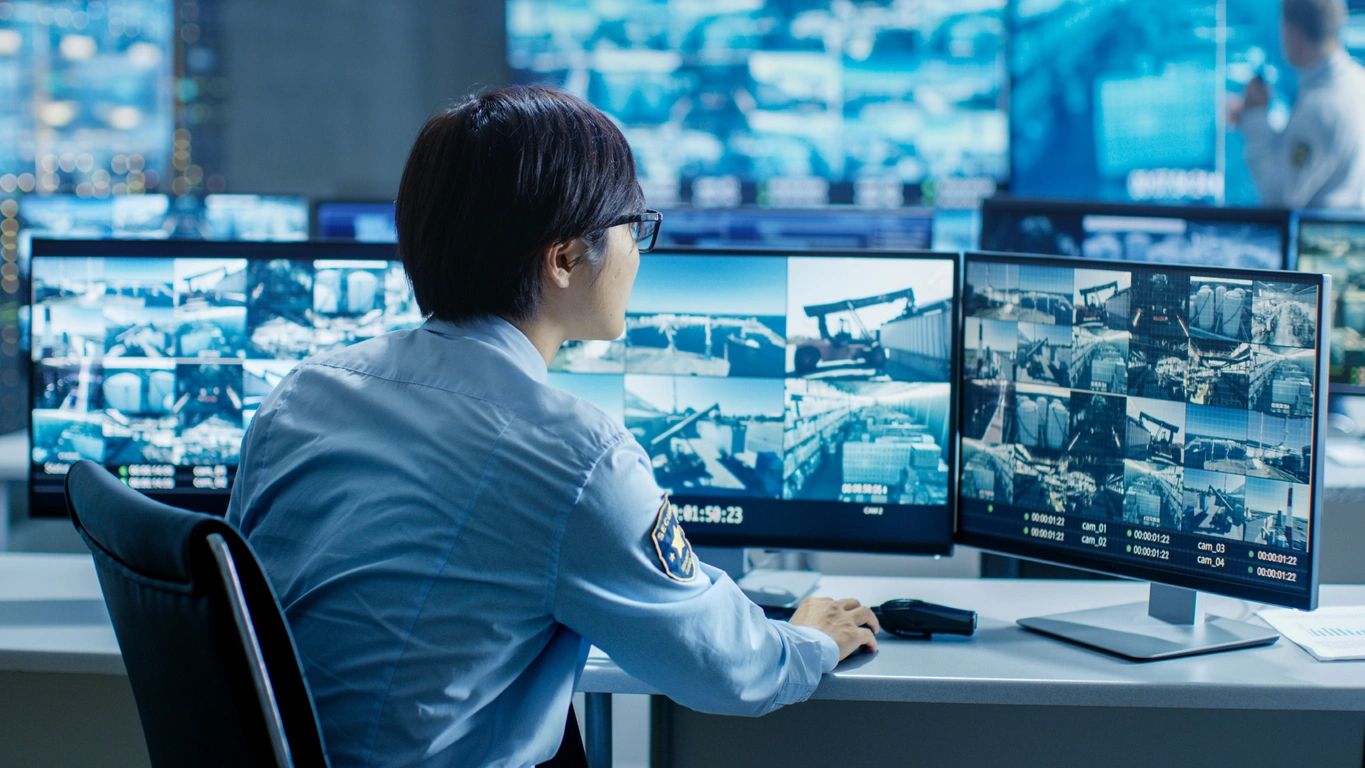
Network video recorders and compatible video management systems can provide centralized recording and management for IP cameras.

The technology selected should also be practical for the people responsible for using it. When footage needs to be reviewed, authorized personnel should have a manageable way to locate the appropriate camera, date and time without making routine surveillance tasks unnecessarily complicated. Remote access may also be important, particularly for owners, managers and organizations responsible for more than one business location. Depending on the system selected, authorized users can have access to live or recorded surveillance when they are away from the property. Because IP cameras are network-connected devices, access to the surveillance system should be managed accordingly. User permissions, passwords, system configuration and ongoing equipment and software maintenance all deserve consideration. ComRes’s experience with business networks and connected technology allows us to address these requirements as part of the surveillance environment rather than treating them as unrelated IT concerns.
security cameras being monitored by employees
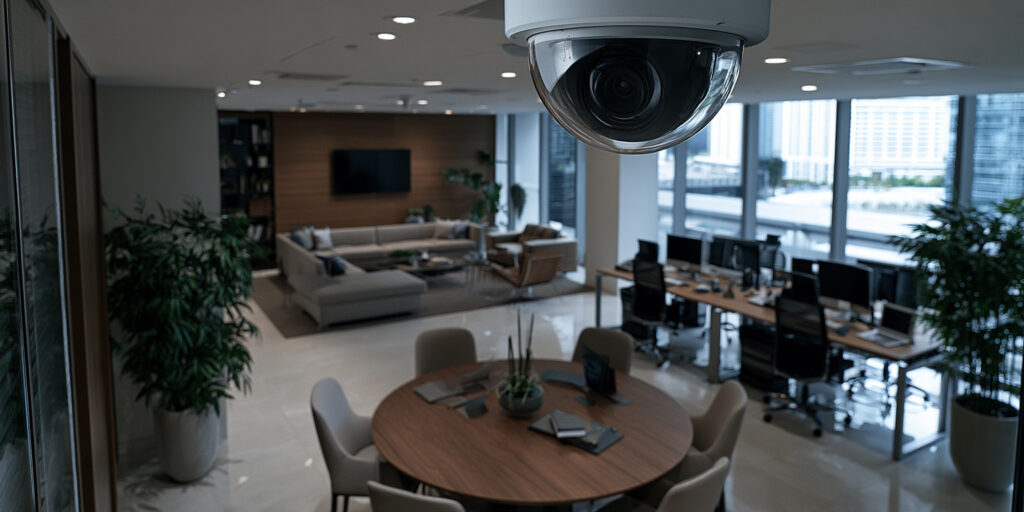
IP Camera System Installation

IP Camera Systems for Different Business Environments

Commercial surveillance requirements vary considerably according to the property and the way a business operates. The appropriate system for a professional office may place greater emphasis on entrances, reception areas, and other selected locations, while a warehouse may require coverage across loading areas, inventory locations, large interior spaces, and exterior access points. Physical conditions also influence system design. Camera distance, viewing angle, lighting, ceiling height, and obstructions can affect the usefulness of an image. In larger facilities, a camera intended to provide general visibility across an area may need different capabilities from one positioned to monitor a specific entrance or asset.

Businesses operating multiple locations have additional considerations.

If surveillance systems are added independently as a company expands, equipment, recording methods, and system access can become inconsistent from one property to another. Planning for multiple locations allows an organization to establish greater consistency where it is useful while still addressing the individual requirements of each facility. Future expansion should be considered for the same reason. Additional cameras, new work areas, another office or warehouse, or the later addition of other security technology can change what the business requires from its surveillance system. A well-planned IP camera system should provide reasonable flexibility for those changes without requiring an organization to purchase equipment today for needs that may never develop.

Upgrading Existing Cameras and Security Technology

Many businesses considering an IP camera system already have surveillance equipment in place. Existing cameras, structured cabling, network infrastructure, or recording equipment may still have a useful role in an updated system, depending on compatibility, condition, and the objectives of the project. ComRes can evaluate existing technology before recommending an upgrade, allowing us to determine whether particular components can continue to serve the business and where newer technology would provide a meaningful improvement.

There are many reasons an existing surveillance system may no longer meet the needs of an organization. A business may have expanded into additional space, changed the way a building is used or added entrances and operational areas that were not part of the original camera plan. Video quality or storage capacity may no longer be adequate, or management may now require remote access and multi-location capabilities that were not important when the system was first installed. In these situations, the condition of the existing equipment is only part of the evaluation. The more important consideration is whether the surveillance system continues to support the business effectively.

IP cameras can also be considered alongside other physical security technology. Access control, for example, serves a different purpose from surveillance but may be part of the same overall security requirement. Cameras provide visual information about activity in monitored areas, while access control can help an organization manage entry into designated locations.

ComRes can evaluate these technologies together when appropriate. We can also consider related network, telecommunications, and managed technology requirements when a business is planning several improvements at the same time. Where compatible services make sense as part of the project, ComRes can develop bundled solutions based on the organization’s requirements and technology quote.

Planning the Right IP Camera System

Selecting an IP camera system begins with understanding the business requirements rather than choosing equipment from a list of specifications.  ComRes considers the areas that need surveillance, the level of image detail required, lighting and physical conditions, recording expectations, remote access requirements and the network infrastructure that will support the cameras. We also consider whether the organization expects to add cameras, locations or related security technology in the future.

This approach is particularly important because increasing one specification does not necessarily improve the entire surveillance system. Higher-resolution cameras, for example, can provide greater image detail, but they can also affect bandwidth and storage requirements. Longer video retention requires additional storage. Expanding the number of cameras can affect network and recording resources. Each decision should support an identified business requirement.

For organizations with existing surveillance, the process also includes determining which technology can reasonably remain in service. For new installations, ComRes can plan the cameras, network requirements, and supporting infrastructure together. The result is an IP camera system designed around the property and the organization rather than a standard configuration applied to every customer.

Business Technology Experience Applied to IP Surveillance

IP surveillance brings physical security and information technology together. Cameras are connected to network infrastructure, video has to be transported and stored, users require appropriate access, and the system has to remain reliable as part of the organization’s larger technology environment. ComRes has decades of experience providing telecommunications and technology services to businesses. Our work with networking, structured cabling, VoIP, SMS, managed services, and remote business technology provides experience that applies directly to modern IP surveillance.

This broader technical background is especially valuable for businesses with more complex requirements. A company may need surveillance at several locations, want to coordinate cameras with access control, or be planning network and communications improvements at the same time. ComRes can assess how those requirements relate and recommend technology based on the organization’s needs.

We work with businesses of different sizes and with very different operating environments. The size of the company does not determine the complexity of its security requirements, which is why our recommendations are based on the individual business, its facilities, and the risks it needs to address.

IP Camera Systems for South Florida Businesses

ComRes provides IP camera systems for businesses throughout South Florida, including Fort Lauderdale, Miami, West Palm Beach and surrounding communities. Our role is to help businesses determine the surveillance technology appropriate for their locations, existing infrastructure and security requirements. This may involve a new IP camera installation, expansion of an existing system, modernization of older surveillance equipment or development of a more consistent approach across multiple business locations.

ComRes also provides a range of business technology services beyond South Florida through remote and managed service capabilities, allowing us to support organizations with broader technology requirements from coast to coast.

Request an IP Camera System Quote

If your business is considering an IP camera system, ComRes can evaluate your current surveillance, network infrastructure, facility requirements, and plans for future growth. We can then recommend a system based on the coverage, recording, access, and technology requirements of your organization. Contact ComRes to discuss your business security requirements and request a customized IP camera system quote.

Trust ComRes for Your Surveillance

With decades of experience in the telecommunications and security industry, ComRes USA is committed to providing high-quality, reliable solutions tailored to your business needs. Our team of experts ensures seamless integration of surveillance and access control systems, backed by exceptional customer service and support.

Contact us today for a free survey to discover how ComRes USA can enhance
your business security with cutting-edge surveillance and access control solutions.