ComRes Telecommunications & Cabling

Video Surveillance Solutions

for South Florida Businesses

Video surveillance has become an important part of protecting commercial properties, employees, equipment, inventory and other business assets. Modern systems can also provide organizations with better visibility into activity across their facilities, whether management is on-site or responsible for several locations.

ComRes provides video surveillance solutions for businesses throughout Fort Lauderdale, Miami, West Palm Beach and South Florida.

The effectiveness of video surveillance depends on much more than the cameras themselves. Camera placement, image quality, recording and storage, network infrastructure, lighting conditions, remote access and the physical characteristics of the property can all influence how useful a surveillance system will be when a business needs it.

What Is a Video Surveillance System?

A video surveillance system uses cameras, recording technology, and supporting infrastructure to monitor and document activity in and around a business property. Modern video surveillance can provide businesses with live visibility, recorded video, remote viewing, and centralized system management. The exact configuration depends on the property, areas requiring coverage, security concerns, and how the organization needs to access and use surveillance video.

A business video surveillance system can include several components, such as:

  • Interior and exterior security cameras
  • Network-connected or compatible surveillance technology
  • Structured cabling and supporting infrastructure
  • Video management technology
  • Video recording and storage
  • Remote viewing capabilities
  • User access and management tools
  • Integration with compatible access control and security technologies
video surveillance services in south florida

Video Surveillance for Different Commercial Environments:

Surveillance camera systems can provide significant advantages for organizations that need a flexible, scalable approach to security. The size of a business does not necessarily determine the complexity of its surveillance requirements. A smaller company may have valuable equipment, difficult exterior access or operating conditions that require careful camera planning. A large organization may have standardized requirements across many locations while still needing specialized surveillance at individual properties. ComRes works with businesses based on the environment and the problem being addressed.

Offices and Professional
Facilities

Office surveillance may focus on entrances, reception areas, common spaces, and other selected locations where additional visibility supports the organization's security requirements. The system can be designed around the areas that matter without placing unnecessary cameras throughout the property.

Warehouses and Distribution
Facilities

Warehouses can present more complex camera-placement challenges because of large spaces, tall shelving, equipment, loading areas and numerous access points. Different parts of the facility may require different viewing distances and levels of detail. Loading and receiving areas can also require coordination between interior and exterior surveillance.

Retail and Customer-Facing
Businesses

Retail and other customer-facing businesses may require coverage around entrances, merchandise, transaction areas and other locations identified as important to the organization. Camera placement should account for customer and employee traffic, fixtures and other physical conditions that can affect the view.

Multi-Use and Multi-Building
Properties

Businesses occupying several buildings or properties with different operational areas may need surveillance that can accommodate varied environments while remaining manageable as one broader system. ComRes can evaluate those differences when developing the surveillance plan that works best for your environment and your business model.

Comres Technology Expert South Florida

Our expertise gets the most from your

Surveillance CAMERA SystemS

ComRes provides video surveillance solutions for businesses throughout Fort Lauderdale, Miami, West Palm Beach and South Florida. We work with organizations of different sizes, industries and operating environments, designing surveillance around the requirements of the individual business rather than applying the same equipment package to every property.

Our experience in telecommunications, networking, structured cabling and business technology also gives ComRes the technical background required for today’s increasingly connected surveillance systems.

video surveillance camera systems customized
video surveillance systems installed by ComRes

Planning for the Future

Video Surveillance for Growth

Future business changes should also be considered during system design. An organization may expand its existing facility, add cameras, open another location, or introduce additional security technology. Considering those possibilities early can help ComRes recommend a surveillance platform and supporting infrastructure that provide reasonable flexibility.

Scalability does not require purchasing unnecessary equipment in advance. It means avoiding technology decisions that unnecessarily restrict future options.

Video Surveillance Systems Frequently Asked Questions

A business video surveillance system uses security cameras, recording and storage technology, and related infrastructure to provide visual monitoring of selected areas within or around a commercial property. Modern systems may use IP cameras connected to the business network and can provide capabilities such as recorded video, remote access and centralized management. The appropriate configuration depends on the property, security concerns and operating requirements of the individual business.

There is no standard number of cameras that is appropriate for every business. Camera requirements depend on the size and layout of the property, entrances and exits, areas requiring visibility, viewing distances, lighting and the level of detail needed from each camera. ComRes evaluates these factors before recommending camera quantity and placement so the system is designed around useful coverage rather than an arbitrary camera count.

Commercial surveillance cameras are commonly used around entrances, exits, reception areas, warehouses, inventory locations, loading docks, parking areas, and other locations where additional visibility is important. Placement should account for viewing angle, distance, lighting, physical obstructions, and the purpose of the camera. Interior and exterior locations may require different equipment and installation approaches.

Traditional CCTV systems have historically used cameras connected to dedicated video equipment, while IP video surveillance uses network-connected cameras that transmit digital video over an IP network. IP systems can provide high-quality digital video, flexible recording and management options, remote accessibility and greater scalability. The best approach depends on the business’s existing equipment, infrastructure and surveillance requirements.

Many modern video surveillance systems can provide authorized users with remote access to live or recorded video, depending on the equipment and configuration selected. Remote access can be particularly useful for owners and managers who travel or oversee multiple business locations. Because IP surveillance is network-connected technology, remote access should be configured with appropriate user permissions and security controls.

Video retention depends on available storage, the number of cameras, image resolution, recording settings and the way the surveillance system is configured. Businesses should determine how long they reasonably need footage to remain available before the system is designed. ComRes can use those requirements to help determine appropriate recording and storage capacity rather than relying on a one-size-fits-all retention period.

Many existing video surveillance systems can be upgraded without automatically replacing every component. Existing cameras, cabling, network infrastructure or recording equipment may still be useful depending on their condition, compatibility and the business’s current requirements. ComRes can evaluate an existing system to determine what can remain in service and where newer technology would provide a meaningful improvement.

Video surveillance and access control can be used as complementary parts of a business security strategy. Surveillance provides visual information about activity around entrances and other monitored areas, while access control can help manage who is authorized to enter designated locations. ComRes can evaluate both technologies when a business requires a more coordinated physical security solution.

IP cameras use network resources to transmit video, so camera quantity, resolution and system configuration can affect bandwidth and infrastructure requirements. Cabling, network equipment, recording and storage should therefore be considered when an IP surveillance system is designed. ComRes’s experience with networking, structured cabling and telecommunications allows us to evaluate the surveillance system within the larger business technology environment.

Video surveillance can be designed for organizations operating multiple offices, warehouses or other facilities. Depending on the technology selected, businesses may be able to establish more consistent camera management, recording and authorized remote access across locations while still customizing coverage for each property. Planning a multi-location strategy can also make future expansion easier to manage.

Businesses should consider which areas require surveillance, what level of image detail is needed, lighting and environmental conditions, recording and retention requirements, remote access, existing network infrastructure and anticipated growth. Existing cameras and security technology should also be evaluated when applicable. These factors provide a better foundation for system design than selecting cameras based only on price or specifications.

Modern video surveillance involves more than cameras. IP networks, structured cabling, recording, storage, remote access and other connected security technology can all be part of the system. ComRes brings decades of telecommunications and business technology experience to surveillance projects, allowing us to consider both the security requirements and the infrastructure needed to support them.


Planning Video Surveillance Around the Business

Every commercial property presents different security concerns. A professional office may place greater importance on entrances, reception areas and selected employee locations. Retail businesses can have concerns involving merchandise, customer areas and points of entry. Warehouses and distribution facilities may require surveillance across inventory areas, loading docks, large interior spaces and exterior access points.

Even businesses within the same industry can have very different requirements based on building layout, operating hours, location and the assets being protected. For that reason, effective video surveillance planning begins by identifying the areas where visibility is important and determining what the business needs to see in those locations.

ComRes can evaluate the physical property, existing surveillance equipment, camera locations, lighting, network infrastructure, recording requirements, and plans for future growth before recommending a system. This allows the surveillance technology to be selected around an identified purpose rather than simply increasing the number of cameras installed.

Interior and Exterior Surveillance Requirements

Indoor and outdoor environments place different demands on surveillance equipment. Interior cameras may be used around entrances, hallways, reception areas, inventory locations, warehouses, common areas, and other appropriate business spaces. Camera position, viewing angle, and the amount of image detail required will depend on the purpose of each location.

Exterior surveillance introduces additional considerations. Parking areas, loading docks, gates, exterior entrances, and building perimeters may involve greater viewing distances and substantial changes in lighting throughout the day.

South Florida weather is another consideration when you install equipment outdoors. Cameras and associated equipment should be appropriate for the conditions in which they will operate. Evaluating these conditions before installation helps determine the type and position of cameras that can provide useful coverage.

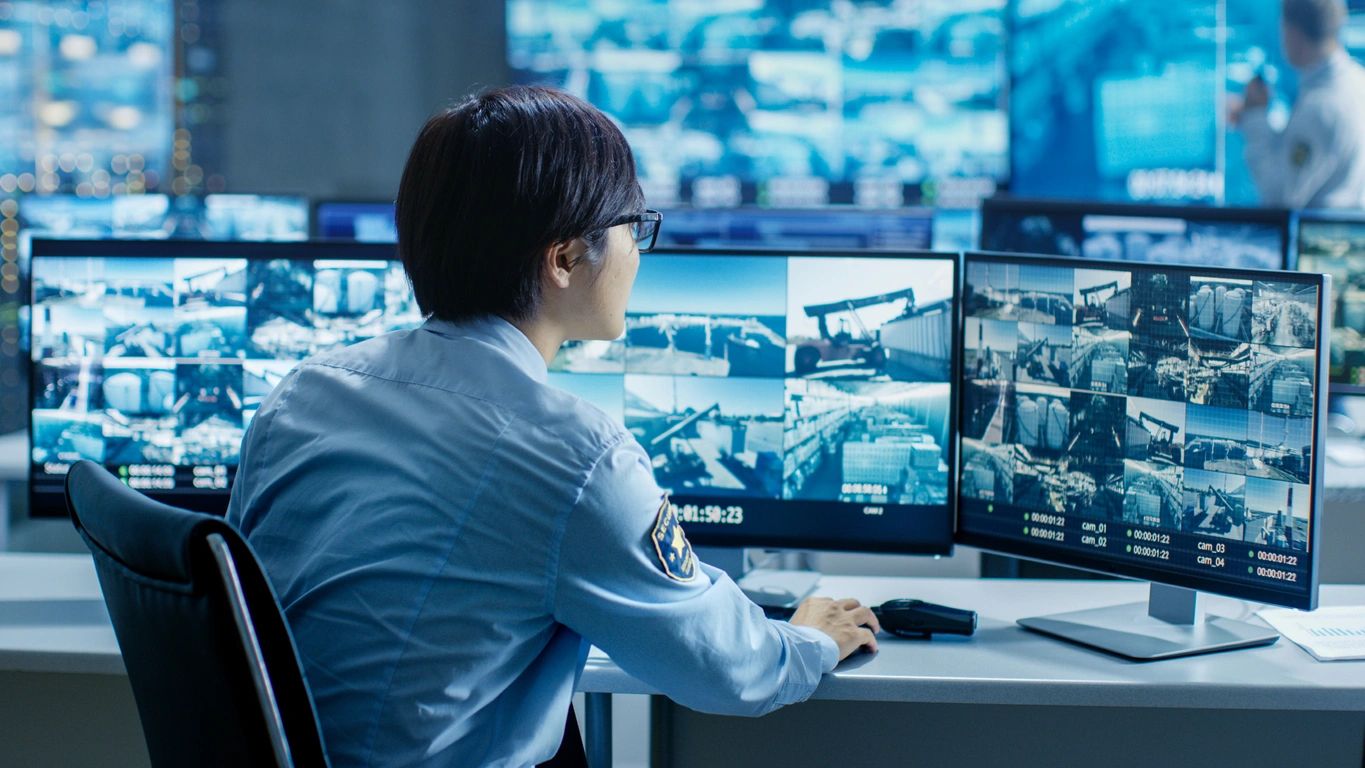
security cameras being monitored by employees

ComRes provides video surveillance solutions throughout South Florida, including Fort Lauderdale, Miami, West Palm Beach, and surrounding communities. We work with businesses requiring new surveillance installations as well as organizations updating existing cameras, expanding coverage or developing a more manageable approach across multiple properties.

ComRes also supports businesses with broader remote and managed technology services beyond South Florida, providing organizations with access to additional business technology expertise from coast to coast where those services apply.

video surveillance services in south florida

Video Quality & Camera Coverage

High-resolution video can provide valuable detail, but resolution is only one part of surveillance quality. The distance between a camera and the area being monitored, available lighting, viewing angle, camera position and obstructions within the property can all influence what appears in recorded video.

A camera providing general visibility across a large area has a different purpose from one intended to monitor a particular entrance or specific business asset. Attempting to make one camera perform both functions can result in footage that covers a great deal of space without providing the detail needed in an important location. ComRes considers the purpose of individual camera views when developing a video surveillance system. This helps businesses invest in image quality where it provides practical value rather than relying on specifications alone.

Reducing Surveillance Gaps

Changes to a property can affect surveillance coverage over time. New walls, shelving, equipment, displays, or changes in the way a facility is used can create blind spots that did not exist when cameras were originally installed. Business expansion can have a similar effect when additional rooms, entrances, or operational areas are added without updating the surveillance plan.

Periodic evaluation of camera coverage can help determine whether the existing system still provides visibility into the areas that matter to the organization.

Many modern video surveillance systems use IP cameras that transmit digital video over a business network. IP-based surveillance can provide high-quality digital video, flexible recording and management options, remote accessibility, and a foundation that can be expanded as business requirements change. It also makes the network an important part of the surveillance system.

Camera quantity, video resolution, recording settings, and other configuration choices can influence bandwidth and storage requirements. Structured cabling, network equipment, and available infrastructure should therefore be considered during system design. This is an area where ComRes’s broader technology experience becomes particularly relevant.

We have worked with business telecommunications, networking, cabling, and connected technology for decades. Our understanding of the infrastructure supporting IP video surveillance allows us to evaluate the cameras and the network environment together.

Recording, Storage and Managing Surveillance Video

A business surveillance system should be designed around both live visibility and recorded video.  When an incident needs to be reviewed, the value of the system depends on whether the appropriate footage was captured, retained and can be located by authorized personnel. Storage requirements can vary substantially. The number of cameras, image resolution, recording configuration and desired retention period can all affect the amount of storage required.

Businesses should establish reasonable expectations for video retention during system planning. This provides a better basis for determining storage capacity than selecting equipment first and discovering its practical limitations later. Network video recorders and compatible video management systems can provide centralized tools for recording and managing surveillance footage. The technology should also be appropriate for the employees and managers expected to use it. Routine tasks such as locating a camera, reviewing a specific time period or retrieving recorded video should be manageable without requiring specialized technical knowledge for every request.

Remote Video Surveillance

Remote accessibility can be particularly useful for business owners, managers and organizations responsible for multiple properties. Depending on the system and configuration selected, authorized users may be able to view live cameras or access recorded surveillance while away from the physical location. This can provide additional visibility for businesses with executives who travel, managers who divide their time between facilities or organizations operating multiple locations.

Because remote surveillance involves access to network-connected technology, permissions and system access should be managed carefully. Businesses should determine which users require access and what level of access is appropriate for their responsibilities. ComRes can account for these requirements as part of the overall video surveillance design.

Video Surveillance for Multiple Business Locations

Organizations operating several properties face different surveillance challenges from businesses with a single location.  Systems may have been installed at different times, using different cameras, recording equipment or methods of access. As the organization grows, those differences can make surveillance increasingly difficult to manage. A multi-location video surveillance strategy provides an opportunity to establish greater consistency where it benefits the business.

This does not mean every property requires identical equipment. A corporate office, retail location and warehouse can have very different physical and security requirements even when they belong to the same organization.  The objective is to determine where common technology and management practices are useful while preserving the flexibility to design each location appropriately. ComRes can work with businesses to evaluate individual properties as well as the larger surveillance environment across the organization.

Upgrading Existing Video Surveillance Systems

A surveillance system does not have to fail completely before an upgrade becomes worthwhile. Businesses change over time, and existing security technology may no longer reflect the way a property is used. Camera coverage may have become inadequate after a renovation or expansion. Older video may not provide the detail the organization now requires. Recording capacity may be insufficient, or accessing footage may be unnecessarily difficult. Management may also need remote capabilities or support for multiple locations that were not important when the original system was installed.

ComRes can evaluate existing cameras, recording equipment, cabling and network infrastructure before recommending an upgrade. Not every component necessarily needs to be replaced. Where existing technology remains compatible and continues to meet the business requirement, it may be possible to incorporate it into an updated solution. Where older equipment limits coverage, image quality, storage or management, ComRes can recommend improvements based on the needs of the organization. This evaluation helps businesses make technology decisions based on practical value rather than replacing equipment simply because newer products are available.

Video Surveillance and Access Control

Video surveillance provides visibility into activity around a property. Access control addresses another part of physical security by helping businesses manage who is authorized to enter selected areas. For some organizations, these technologies are best considered as parts of a broader security strategy. An entrance, for example, may require both controlled access and video coverage. Warehouses, equipment areas, employee-only locations, and other restricted spaces can present similar requirements.

ComRes can evaluate surveillance and access control together when appropriate, helping businesses determine how individual security technologies can support the larger objective. Our broader technology capabilities also allow us to consider network, communications, and managed service requirements when a business is planning several improvements at the same time. When compatible services make sense together, ComRes can develop bundled solutions based on the organization’s security technology requirements and quote.

Practical Considerations Before Selecting Video Surveillance

Businesses can make better surveillance decisions by defining their requirements before comparing equipment. The first consideration should be coverage. Determine which locations require useful visibility and what information the camera should provide in each area. Lighting should be evaluated during the hours when surveillance will be used. Exterior areas and buildings with large windows can change considerably between daytime and nighttime conditions.

Video retention should also be discussed early. Knowing how long recorded footage should remain available helps determine appropriate storage requirements. Businesses should identify who will use the system and whether remote access is necessary. For organizations with multiple locations, it is also helpful to consider whether surveillance should be managed consistently across the company.

Finally, anticipated growth deserves consideration. New facilities, additional cameras, access control, and other connected security technology may influence the most appropriate system architecture. These decisions give ComRes a practical foundation for developing a video surveillance solution that supports the organization rather than simply meeting an equipment count.

Video Surveillance in Fort Lauderdale, Miami, West Palm Beach and South Florida

ComRes provides video surveillance solutions throughout South Florida, including Fort Lauderdale, Miami, West Palm Beach and surrounding communities. We work with businesses requiring new surveillance installations as well as organizations updating existing cameras, expanding coverage or developing a more manageable approach across multiple properties.

ComRes also supports businesses with broader remote and managed technology services beyond South Florida, providing organizations with access to additional business technology expertise from coast to coast where those services apply.

Request a Video Surveillance Quote From ComRes

A video surveillance system should be based on what your business needs to protect, monitor, and manage. ComRes can evaluate your property, existing surveillance equipment, network infrastructure, recording requirements, and plans for future growth before recommending a solution. Whether you are planning a new system, improving existing surveillance, or addressing security requirements across multiple business locations, contact ComRes to discuss your needs and request a customized video surveillance quote.

Trust ComRes for Your Surveillance

With decades of experience in the telecommunications and security industry, ComRes USA is committed to providing high-quality, reliable solutions tailored to your business needs. Our team of experts ensures seamless integration of surveillance and access control systems, backed by exceptional customer service and support.

Contact us today for a free survey to discover how ComRes USA can enhance
your business security with cutting-edge surveillance and access control solutions.